The story
Jacques Majorelle's garden story
How a French painter built a garden in Marrakesh over almost forty years, how it fell into disrepair and how Yves Saint Laurent and Pierre Bergé saved it.
Check garden dates ↗Quick answer
The Majorelle Garden was created by the French painter Jacques Majorelle over almost forty years, from 1923. After he sold it in the 1950s it fell into disrepair, and in 1980 Yves Saint Laurent and Pierre Bergé bought it. A foundation now runs it, and the blue the villa wears is named after him.
A painter in Marrakesh
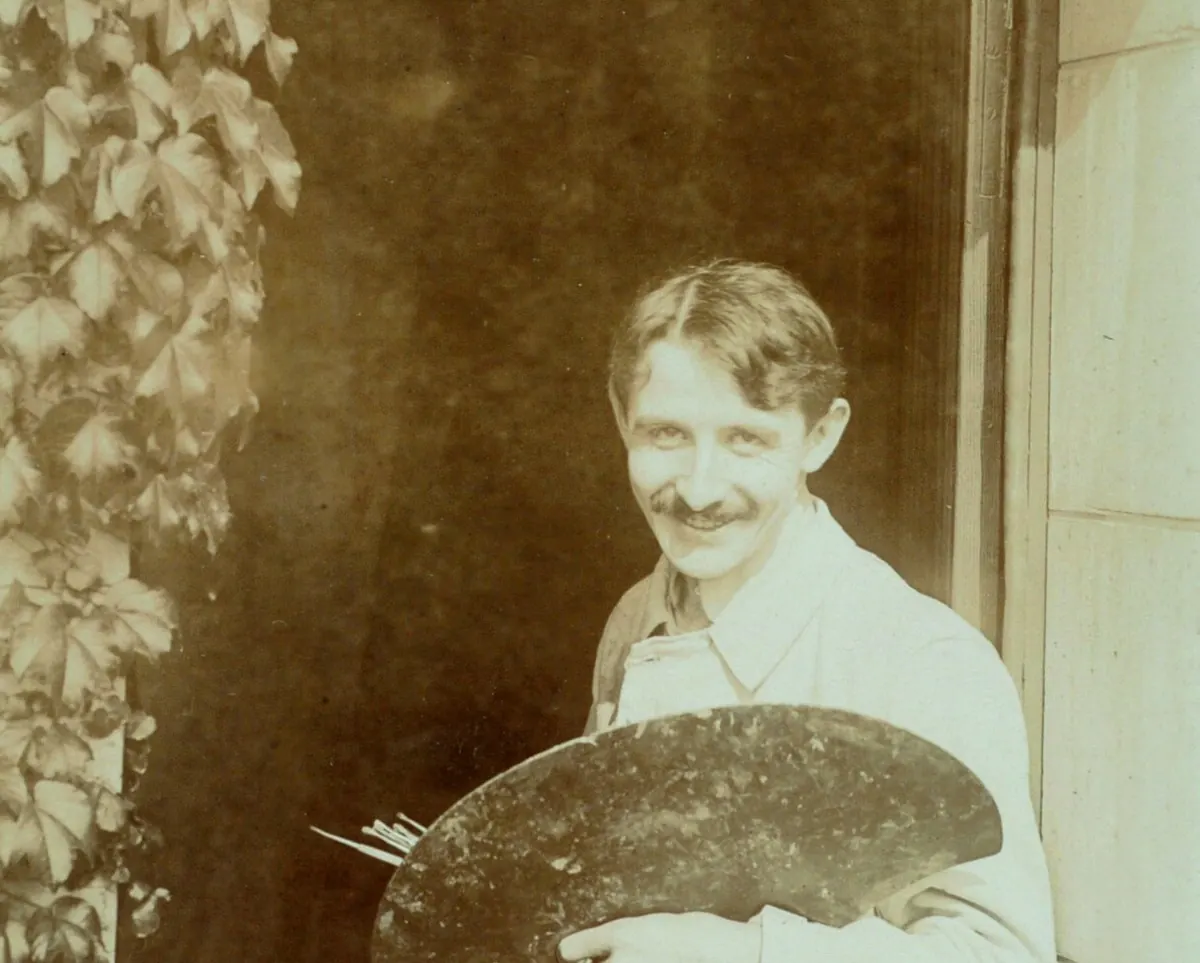
Wikipedia says Jacques Majorelle was born in Nancy in 1886, the son of the Art Nouveau furniture designer Louis Majorelle. Around 1917 he travelled to Morocco to recover from a health problem, and after a short time in Casablanca he went to Marrakesh. He fell for its colours and its light, and he settled there for good. He became a noted Orientalist painter, and his subjects included street scenes, souks, kasbahs and portraits of local people.
The garden begins
Wikipedia says that in 1923 Majorelle bought a plot on the border of a palm grove in Marrakesh and built a house in the Moroccan style. He gradually bought more land, and he began planting a garden that became his life's work. The garden's own website puts the start of the planting in 1922 and describes him conceiving it as a sanctuary and a botanical laboratory, filled with specimens from the far corners of the world. The sources differ by a year, so this guide says the early 1920s.
The villa and the blue
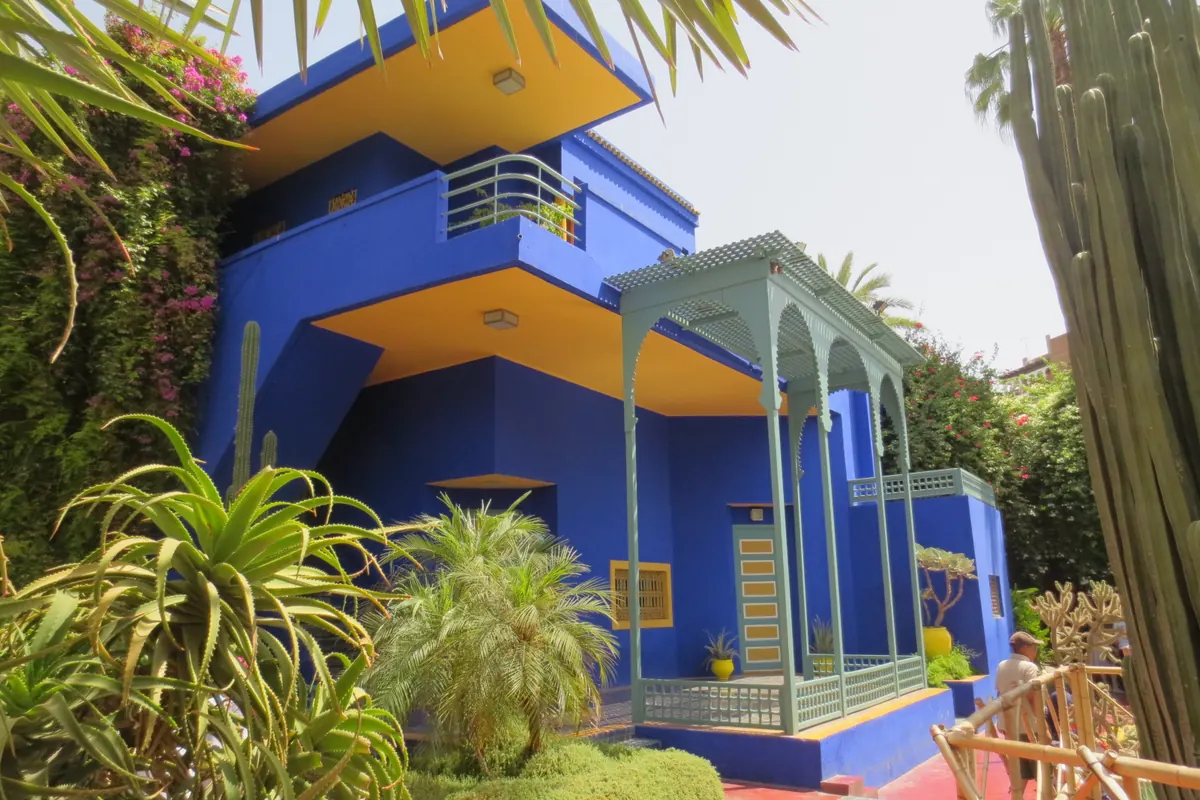
In 1931, Wikipedia says, Majorelle commissioned the architect Paul Sinoir to design a Cubist villa for the grounds. The cobalt blue used on it and across the garden is named bleu Majorelle. Wikipedia says he noticed the colour in the tiles of southern Morocco and in Berber clothing, and that before his death he patented it. The garden's website describes the buildings as boldly coloured, blending Art Deco and Moorish influences.
Opening to the public
The garden proved costly to run. Wikipedia says that in 1947 Majorelle opened it to the public with an admission fee designed to defray the cost of maintenance, and that he sold parcels of land at times to fund it. After his divorce in the 1950s he had to sell the house and land. Wikipedia says the garden was then neglected and fell into disrepair. Majorelle died in Paris in 1962, and Wikipedia says he is buried in Nancy beside his father.
Saint Laurent and Bergé
The garden's website says that in 1980 Yves Saint Laurent and Pierre Bergé, who had first arrived in Morocco in 1966, bought the garden to save it from destruction at the hands of hotel developers. They decided to live in Majorelle's villa and renamed it the Villa Oasis. Wikipedia says they restored the garden and that they owned the villa until 2008. After Saint Laurent died that year, it says, his ashes were scattered in the garden.
A foundation and two museums
Wikipedia says that since 2010 the property has been owned by the Fondation Pierre Bergé – Yves Saint Laurent, and that since 2011 it has been managed by the Foundation Jardin Majorelle, a non-profit organisation in Marrakesh. The Berber Museum opened in 2011, in Majorelle's former studio, and the Yves Saint Laurent Museum followed in October 2017 in a new building nearby. Wikipedia adds that profits from the garden fund new projects.
Who this isn't for
This is background, not a tour. If you want the garden's history explained as you walk, the garden-only ticket gives you no guide, and a reviewer on the booking page notes that no information is displayed as you wander. Read this guide first, then walk the garden at your own pace. For the practical side of the visit, the first guide on this site covers booking, QR codes and ID.
Read next: Majorelle Garden: book ahead?
Frequently asked questions
Who created the Majorelle Garden?
The French painter Jacques Majorelle, who began it in the early 1920s and worked on it for almost forty years.
Who designed the blue villa?
Wikipedia says the architect Paul Sinoir designed the Cubist villa, commissioned by Majorelle in 1931.
Why is the blue called Majorelle blue?
It is named after Jacques Majorelle, who used it extensively in the garden. Wikipedia says he patented the colour before his death.
Who saved the garden?
Yves Saint Laurent and Pierre Bergé bought it in 1980, according to the garden's website, and restored it.
Who runs it now?
Wikipedia says the Foundation Jardin Majorelle has managed the garden since 2011.
Sources